Column · @ricardozdrh831
Why Do Gutters Overflow During Heavy Summer Rainstorms?
If you live in Brisbane, you know how quickly a calm, humid afternoon can turn into a torrential downpour. Summer storms in South East Queensland can deliver dozens of millimetres of rain in under an hour, and when that much water hits your roof, your gutters have to cope with a sudden and enormous volume. When they can't, water spills over the edge, runs down walls, pools around the foundations and sometimes finds its way inside. Understanding why gutters overflow is the first step to preventing costly water damage.
Brisbane's Summer Storm Pattern Puts Gutters Under Pressure
Brisbane's subtropical climate means most of the city's annual rainfall arrives between November and March. Storm cells often bring short, intense bursts of rain, sometimes accompanied by strong winds and hail. Unlike gentle, steady rain, these bursts can exceed the flow capacity of a standard gutter system in minutes.
Many homes across Brisbane, particularly older Queenslanders and mid-century houses, were fitted with gutters and downpipes designed for lower rainfall intensities than we regularly see today. Even newer homes can have undersized systems if they were installed to minimum standards rather than for local conditions.
The Most Common Causes of Gutter Overflow
1. Blockages From Leaves, Debris and Seed Pods
This is the number one culprit. Brisbane is full of leafy suburbs, and trees such as eucalypts, jacarandas, bottlebrush, poinciana and figs shed leaves, bark, flowers and seed pods year-round. Eucalypts in particular drop leaves and twigs continuously, not just in autumn. When this material builds up in the gutter, it forms a dam that stops water flowing towards https://brisbaneroofrestorationexperts.com.au/roofing-ventilation-systems/ the downpipes.
Blockages are especially problematic at the downpipe outlet, where debris collects and restricts flow. Even a partial blockage can cause water to back up and spill over during intense rain.

2. Wet Debris Turning Into Sludge
Humid Brisbane summers speed up the decomposition of organic matter. Leaves that sit in gutters break down into a dense, heavy sludge that compacts and clogs outlets. This material can also hold moisture, encourage moss and weeds, and add weight to the gutters, which can lead to sagging.
3. Undersized Gutters and Too Few Downpipes
Gutter capacity depends on profile size, slope, and the number and size of downpipes. Roofs with large surface areas, multiple valleys or sections that feed into a single gutter run can send more water than the system can carry. Common signs of an undersized system include:
- Water overshooting the front of the gutter during heavy rain, even when it is clean
- Overflow at corners, valleys or the end of long gutter runs
- A single downpipe servicing a very long section of gutter
- Water cascading off the roof at valley intersections
Australian Standard AS/NZS 3500.3 covers stormwater drainage design, and professional installers use rainfall intensity data for the local area to size gutters and downpipes appropriately. Upgrading to a larger gutter profile or adding extra downpipes can make a major difference for homes that regularly overflow.
4. Poor Gutter Slope or Sagging
Gutters need a slight fall towards the downpipe so water drains freely. Over time, loose brackets, rusted fascia fixings, ladder damage or the weight of debris can cause sections to sag. Where gutters dip, water pools rather than flows, and standing water overflows much more easily during heavy rain. Pooling water also accelerates rust in steel gutters and can attract mosquitoes, a particular concern in Brisbane's warm climate.
5. Blocked or Damaged Downpipes
Even if the gutter itself is clear, the downpipe can be the weak point. Debris can lodge in elbows and bends, and underground stormwater connections can become blocked by tree roots, silt or collapsed pipes. If water backs up from the stormwater line, the gutter will fill and overflow no matter how clean it is.
6. Roof Design, Valleys and Pitch
Water running off a steep roof gains speed and can shoot straight over the front of a gutter, particularly where valleys concentrate the flow into a small area. Roof valleys on Brisbane homes with multiple gables are common overflow points. In these cases, gutter upgrades, valley guards or rain heads (overflow boxes) may be needed to manage the concentrated flow.
7. Incorrect Gutter Installation
Gutters set too high against the roof line, installed with an insufficient fall, or fitted with too few brackets can overflow even when clean. Gutters positioned so the roof edge sits too far from the gutter can also allow water to miss the gutter completely during heavy flow. Replacement gutters should be properly aligned with the roof's drip line.
Storm Debris Makes Things Worse
Brisbane's summer storms commonly bring strong winds that strip leaves, small branches and palm fronds from trees and deposit them straight into gutters. A gutter that was clear before a storm can fill with debris during the first few minutes of rain, then overflow for the remainder of the event. Hail can also dent gutters and clog downpipes with ice and debris. After any severe storm, a quick inspection is worthwhile.
Why Overflowing Gutters Matter
Overflowing gutters are more than an annoyance. Persistent overflow can lead to:
- Water pooling near foundations, contributing to soil movement and cracking, especially in Brisbane's reactive clay soils
- Damp, mould and staining on external walls and eaves
- Rotting fascia boards and timber eaves
- Water entering the roof cavity or wall cavities
- Erosion of garden beds and landscaping
- Slippery paths, driveways and entry points
- Breeding sites for mosquitoes in stagnant gutter water
Because Brisbane has many homes built on stumps or with sub-floor areas, excess water running down walls can also pool underneath the house, causing moisture issues and encouraging termite activity.
How to Prevent Gutter Overflow Before Summer Storms
Clean Gutters Regularly
As a general guide, Brisbane homes benefit from gutter cleaning at least twice a year, and more frequently, perhaps every three to four months, if there are overhanging trees. A thorough clean before the start of storm season in October or November is a smart habit. Make sure downpipes are flushed with water to confirm they flow freely.
Consider Gutter Guards
Quality gutter guards can reduce the amount of debris entering the gutter, though they do not eliminate maintenance entirely. Fine mesh guards help block small leaves and seed pods, but some designs can lose capacity in very heavy rain if water skips over the top. If you live in a bushfire-prone area, check that any product used is rated for bushfire conditions, such as ember-resistant stainless steel mesh. Choose a product suited to your roof type and tree cover.
Check Slope, Brackets and Joints
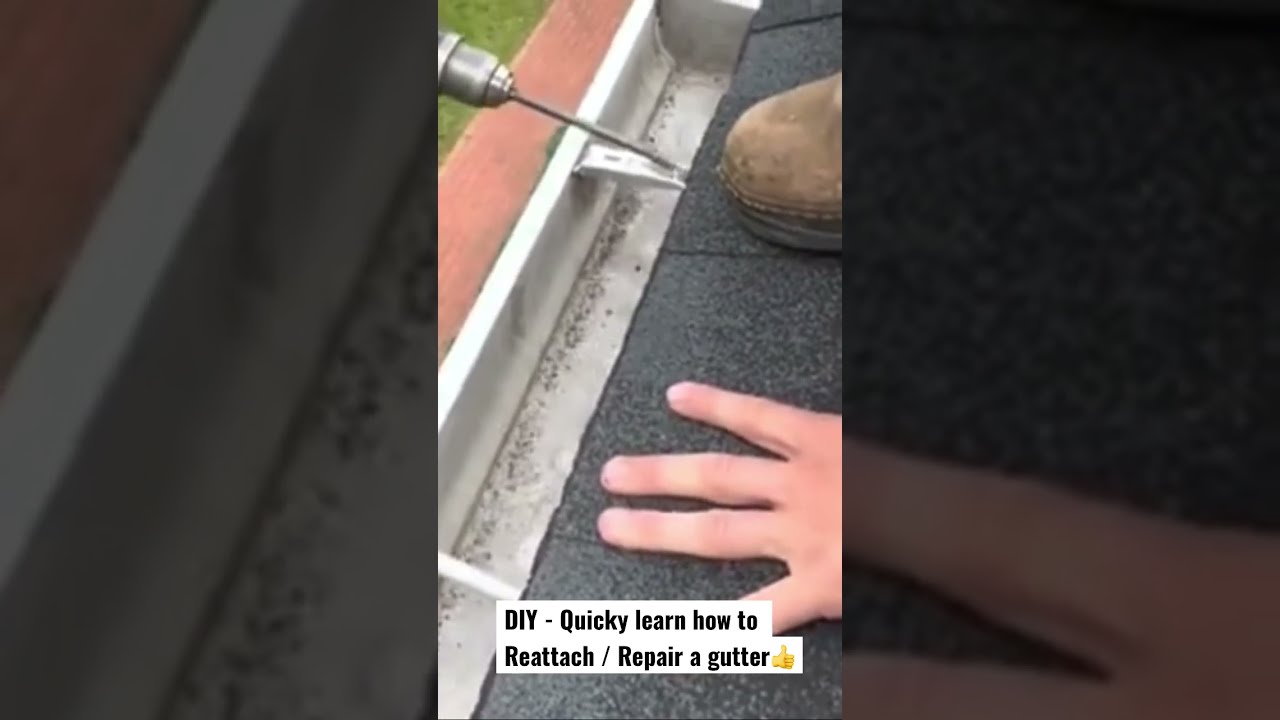
Look for sagging sections, loose brackets, gaps at joins and rust spots. Repairing these early costs far less than replacing a whole run of gutter. Sealing leaking joints and re-fixing brackets restores proper flow.
Trim Overhanging Branches
Cutting back branches that hang over the roof reduces the debris load significantly. Check local council rules before pruning large or protected trees, as Brisbane City Council has regulations covering significant vegetation.
Upgrade Capacity Where Needed
If your gutters overflow even when clean, the system is likely undersized or poorly configured. A qualified roofing or plumbing professional can assess your roof area and recommend options such as:
- Installing larger gutter profiles to increase capacity
- Adding extra downpipes to shorten the distance water has to travel
- Increasing downpipe size where flow is restricted
- Fitting overflow relief or rain heads at valleys and problem corners
- Correcting the gutter fall and realigning to the roof edge
Safety Considerations
Working at height is one of the leading causes of serious household injuries in Australia. Wet roofs, unstable ladders and electrical lines near eaves add risk. If your home is multi-storey, has a steep roof or has gutters that are difficult to reach, hiring a licensed professional is the safer choice. Never climb onto a roof during or immediately after a storm, and always keep ladders and tools well clear of power lines.
When to Call a Professional
Consider booking a gutter specialist if you notice any of the following:
- Repeated overflow even after cleaning
- Water stains on walls, ceilings or eaves
- Sagging, rusted or separating gutters
- Water pooling against the foundation or under the house
- Suspected underground stormwater blockages
A professional can inspect the whole drainage path, from roof edge to stormwater connection, and identify issues that are not obvious from the ground.
Final Thoughts
Gutters overflow during Brisbane's heavy summer rainstorms for a mix of reasons: blockages from leaf litter and storm debris, undersized systems, poor slope, blocked downpipes and roof designs that concentrate water flow. The good news is that most causes are preventable with regular maintenance and, where necessary, sensible upgrades. Getting your gutters checked and cleaned before the storm season peaks is one of the most cost-effective ways to protect your roof, walls and foundations from water damage, so you can enjoy the summer storms from the comfort of a dry home.
Brisbane Roof Restoration Experts
(07) 3132 1605